Discover Urban Saunters, specialists in Royal Tours of London.
Keep reading:

The British monarchy is not just a symbol of continuity, but a living connection to centuries of national history. Beyond the royal residences still in use today, there is a remarkable collection of historic sites where the stories of monarchs, courtiers, conflicts, and cultural milestones come to life. For those interested in Royal Tours London, these six iconic landmarks—managed by Historic Royal Palaces (HRP), an independent charity dedicated to preserving and sharing Britain’s royal heritage—offer an unforgettable journey into the past.
Each palace or site under HRP’s care has played a defining role in shaping the history of the United Kingdom. From grand public ceremonies to intimate royal moments, these spaces invite visitors into the very rooms where history was made. Let’s explore each one.
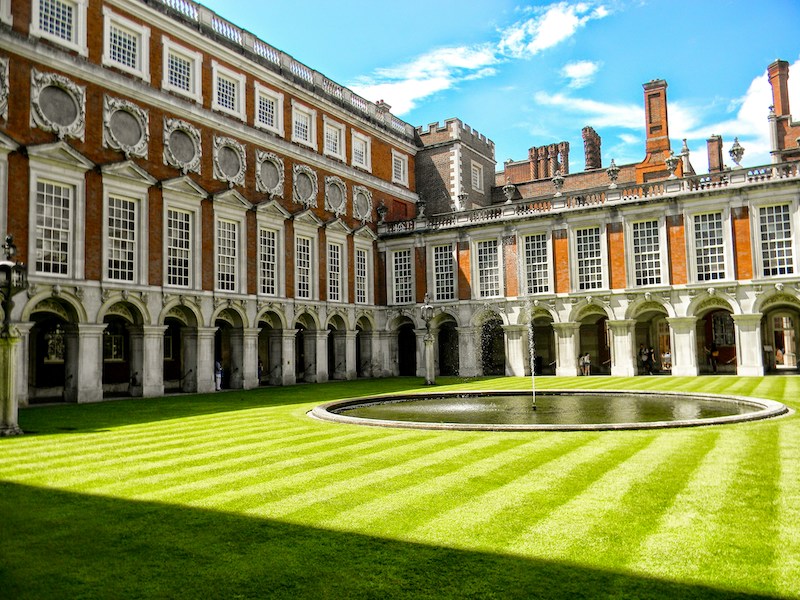
Just outside London on the banks of the River Thames lies Hampton Court Palace, a spectacular combination of Tudor drama and Baroque elegance. Perhaps best known as the residence of King Henry VIII, the palace originally began as a private home for Cardinal Wolsey before becoming a favourite of the Tudor court.
Visitors can step into the iconic Great Hall, wander the vast Tudor kitchens, and explore the lavish state apartments added later by William III and Mary II. The palace grounds are equally impressive, with 60 acres of gardens, a famous hedge maze, and the family-friendly Magic Garden.
Hampton Court is not just a monument to royal opulence — it’s a living narrative of power, politics, and pageantry. Every corridor tells a story, from religious reform to court intrigue.
Nestled in the heart of Kensington Gardens, Kensington Palace offers a more personal view of royal life. It has been a residence of the British royal family since the 17th century and remains a royal home today.
This palace was the birthplace of Queen Victoria and was central to her early life. Today, visitors can explore the King’s and Queen’s State Apartments, discover stories of Georgian and Victorian monarchs, and enjoy rotating exhibitions on royal fashion and culture.
Kensington Palace doesn’t impress with sheer size but captivates through its atmosphere — more domestic than ceremonial, more reflective than imposing. It’s a place that invites visitors to imagine the everyday life of royalty, beyond the spectacle.
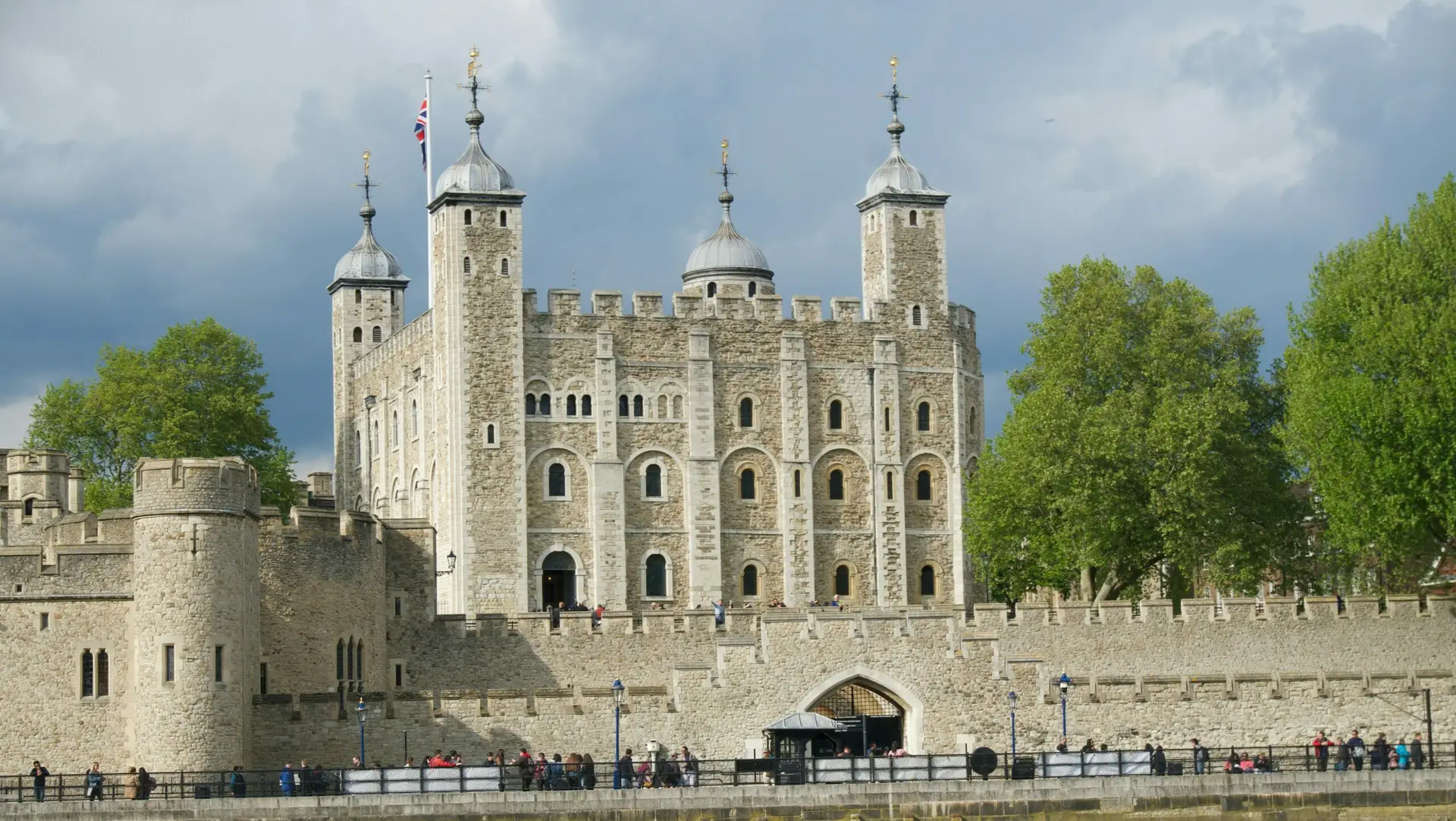
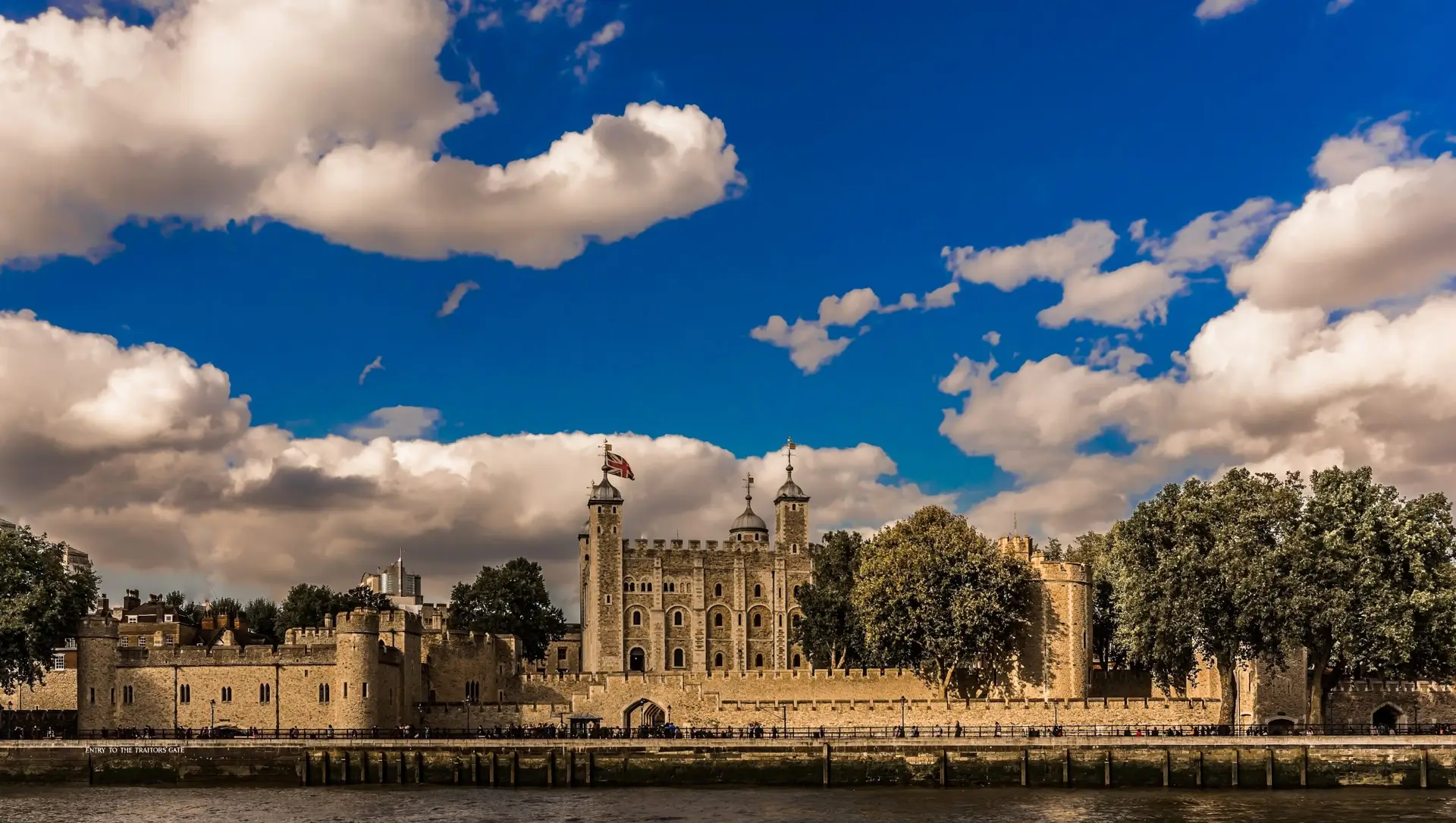
Few buildings in the UK hold as much historical weight as the Tower of London. Part fortress, part palace, part prison, the Tower has stood for nearly 1,000 years as a symbol of royal power and authority.
From the Norman White Tower to the medieval ramparts, the site is layered with tales of rebellion, execution, exile and royal ceremony. It is here that Anne Boleyn met her fate, Guy Fawkes was interrogated, and the Crown Jewels have been safeguarded for centuries.
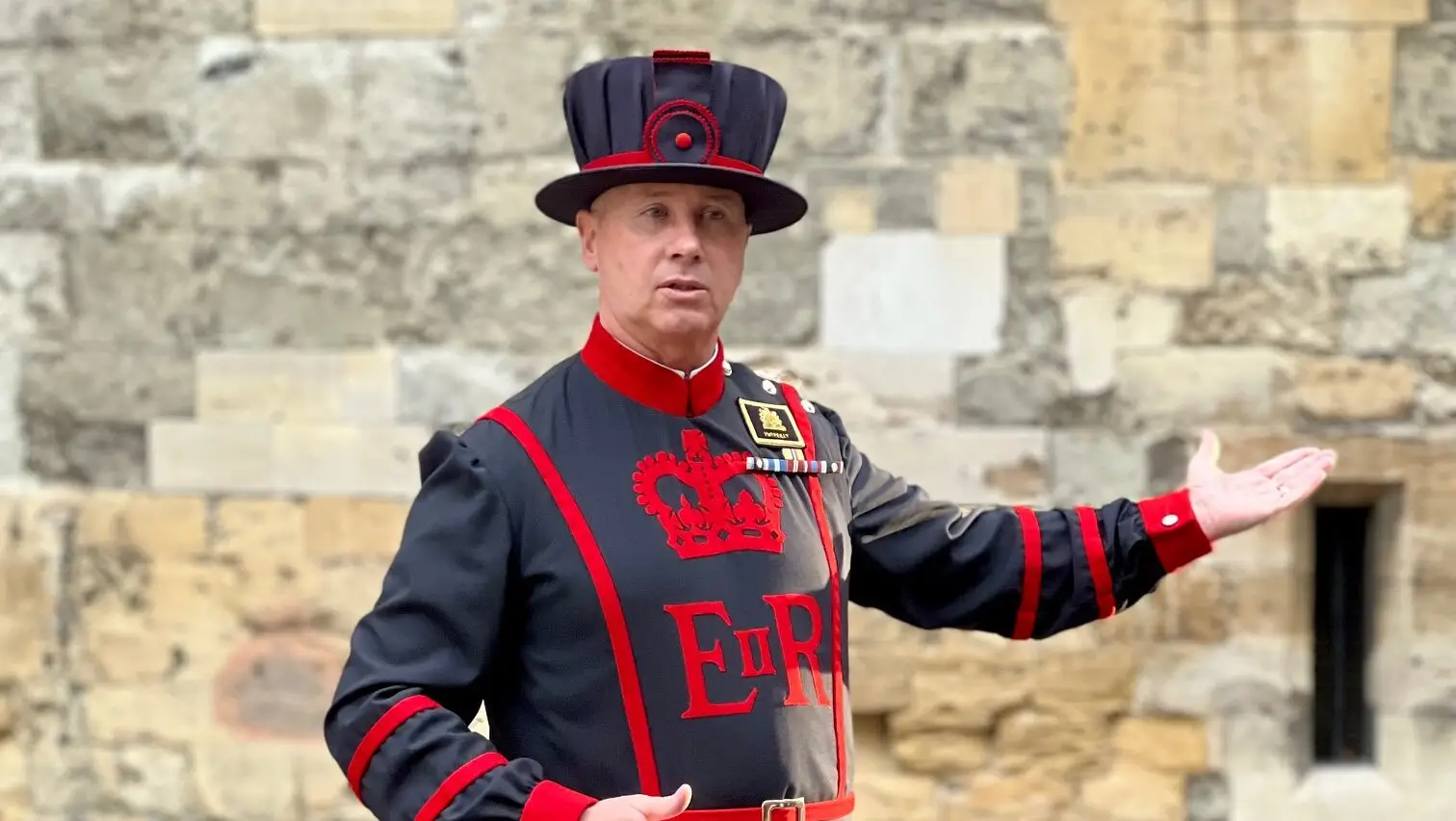
A visit to the Tower offers a multi-dimensional experience: history, architecture, and symbolism all converge here. The Yeoman Warders, or “Beefeaters,” continue to guard and guide, maintaining centuries-old traditions in the heart of modern London.
The Banqueting House in Whitehall may be modest in size compared to palaces, but it holds exceptional historical and artistic value. Completed in 1622 and designed by Inigo Jones, it was the first fully classical building in Britain and the only surviving part of the once vast Whitehall Palace.
Its interior is dominated by a magnificent painted ceiling by Sir Peter Paul Rubens, commissioned by King Charles I. Ironically, it was also from a window of this same building that Charles was executed in 1649 — a turning point in British constitutional history.
Visiting Banqueting House is a study in contrasts: artistic splendour meets political tragedy. It is a space where beauty and power are inextricably linked.
Smaller and more intimate than the other HRP sites, Kew Palace is a hidden gem nestled within the Royal Botanic Gardens at Kew. Built in 1631, the red-brick mansion became a retreat for the royal family, especially during the reign of George III.
Unlike grand ceremonial spaces, Kew offers a glimpse into domestic royal life. Visitors can see rooms preserved with their original furnishings, explore the Royal Kitchens, and feel a much closer connection to the people behind the crown.
The setting, surrounded by gardens and natural beauty, enhances the sense of tranquillity and reflection. It’s a perfect counterpoint to the grandeur of palaces like Hampton Court or the Tower.
The only HRP property located in Northern Ireland, Hillsborough Castle and Gardens is not only a royal residence but also a site of modern political significance. Located near Belfast, it serves as the official residence of the Secretary of State for Northern Ireland and hosts royal visits and state functions.
The 18th-century house is surrounded by 100 acres of beautifully maintained gardens, glens, and woodlands. Inside, the State Rooms reflect a blend of political formality and royal hospitality.
What sets Hillsborough apart is its role in the peace process and ongoing dialogue in Northern Ireland. A visit here isn’t just a step into history — it’s an encounter with living diplomacy.
Historic Royal Palaces doesn’t simply maintain buildings — it keeps alive the stories, values and conflicts that shaped a nation. These six sites offer:
If you’re planning to explore one or more of these sites, consider the following tips:
The six palaces and properties managed by Historic Royal Palaces offer a gateway into Britain’s complex and fascinating royal past. They allow visitors not just to observe history, but to step inside it — to stand where monarchs ruled, feasted, reformed and even fell.
Whether you’re passionate about history, architecture, politics or simply want to explore some of the UK’s most atmospheric places, these palaces are more than landmarks — they are living, breathing chapters of the British story.
Be the first in line to explore the crown jewels and witness the opening ceremony at the Tower of London. Take part in an adventure that will see you travel from the old City regal city of Westminster.
Choose new departure dates if your plans change.
Reach out to us anytime via online chat, phone or email.
Get credit for future trips if you need more time to decide.
Change to a different tour run by the same tour operator.