
Changing of the Guard London vs Horse Guards Parade: What's the Difference?
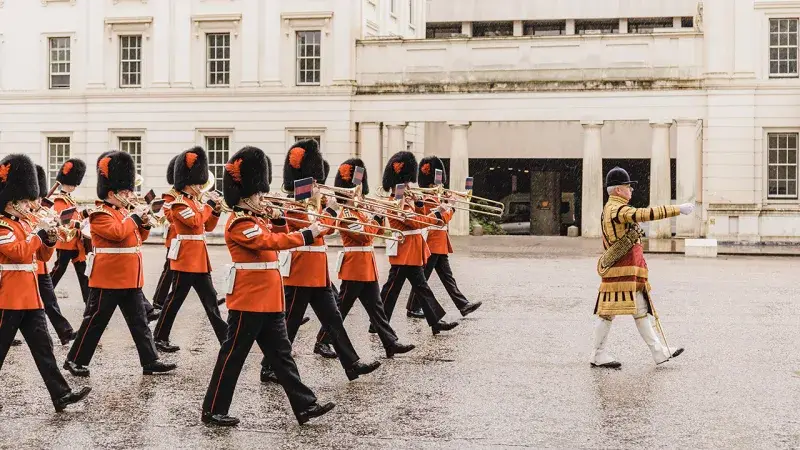
If you’re planning to experience the famous Changing of the Guard London ceremony, you may be surprised to discover that there is more than one guard-changing event in the British capital. Many visitors assume that every guard in ceremonial uniform belongs to the same tradition, but that’s not quite true.
The Changing of the Guard London ceremony at Buckingham Palace and the Horse Guards Parade guard change are two separate military traditions, each with its own history, purpose and atmosphere. Understanding the difference can help you choose the experience that best suits your visit—or better yet, enjoy both.
What Is the Changing of the Guard London Ceremony?
The Changing of the Guard London ceremony is one of the city’s most iconic royal traditions. Officially known as the Guard Mounting Ceremony, it takes place outside Buckingham Palace and involves soldiers of the King’s Guard handing over responsibility for protecting the monarch’s official residence.
The ceremony dates back to the 17th century, when permanent royal guards became responsible for protecting the sovereign. Today, it remains an active military duty carried out by serving soldiers from the Household Division.
Far from being simply a tourist attraction, the Changing of the Guard London ceremony is still an operational military procedure performed with remarkable precision and discipline.
Where Does the Changing of the Guard London Take Place?
The main ceremony is centred around Buckingham Palace, but it actually involves several locations.
The guards begin at Wellington Barracks before marching along Birdcage Walk to Buckingham Palace. During the ceremony, the New Guard formally relieves the Old Guard before taking over their duties.
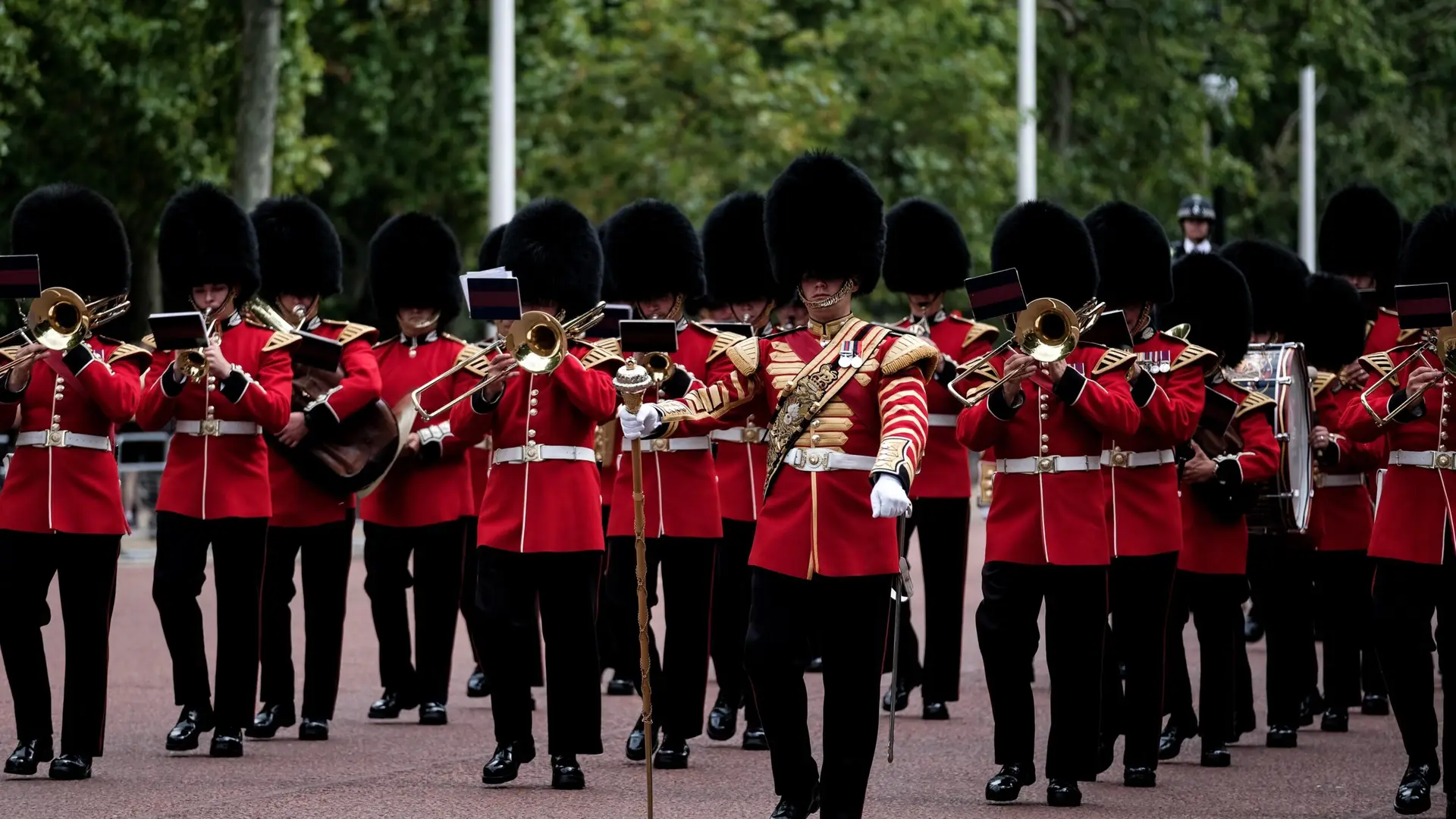
Depending on the day, visitors may also see military bands performing, cavalry escorts, and marching soldiers moving through St James’s Park and The Mall.
This larger setting is one reason why the Changing of the Guard London experience attracts thousands of spectators every week.
What Is Horse Guards Parade?
Horse Guards Parade is located just a short walk from Buckingham Palace, yet it represents a completely different military institution.
Rather than protecting the King’s residence, Horse Guards Parade serves as the headquarters of the Household Cavalry. The mounted soldiers stationed here belong to one of the oldest and most prestigious regiments in the British Army.
The guard-changing ceremony here is officially known as the Changing of the King’s Life Guard.
Instead of infantry soldiers in red tunics and bearskin hats, visitors see cavalry troopers wearing gleaming breastplates, polished riding boots and distinctive helmets topped with horsehair plumes.
The result is an equally impressive ceremony with a very different atmosphere.
The Biggest Differences Between the Two Ceremonies
Although both ceremonies involve changing the royal guard, they differ in several important ways.
Soldiers vs Horses
The most obvious difference is the type of guard.
The Changing of the Guard London ceremony at Buckingham Palace features infantry soldiers from regiments such as the Grenadier Guards, Coldstream Guards, Scots Guards, Irish Guards and Welsh Guards.
Horse Guards Parade features mounted cavalry soldiers from the Life Guards and the Blues and Royals.
Both units belong to the Household Division, but their roles and traditions are distinct.
Location
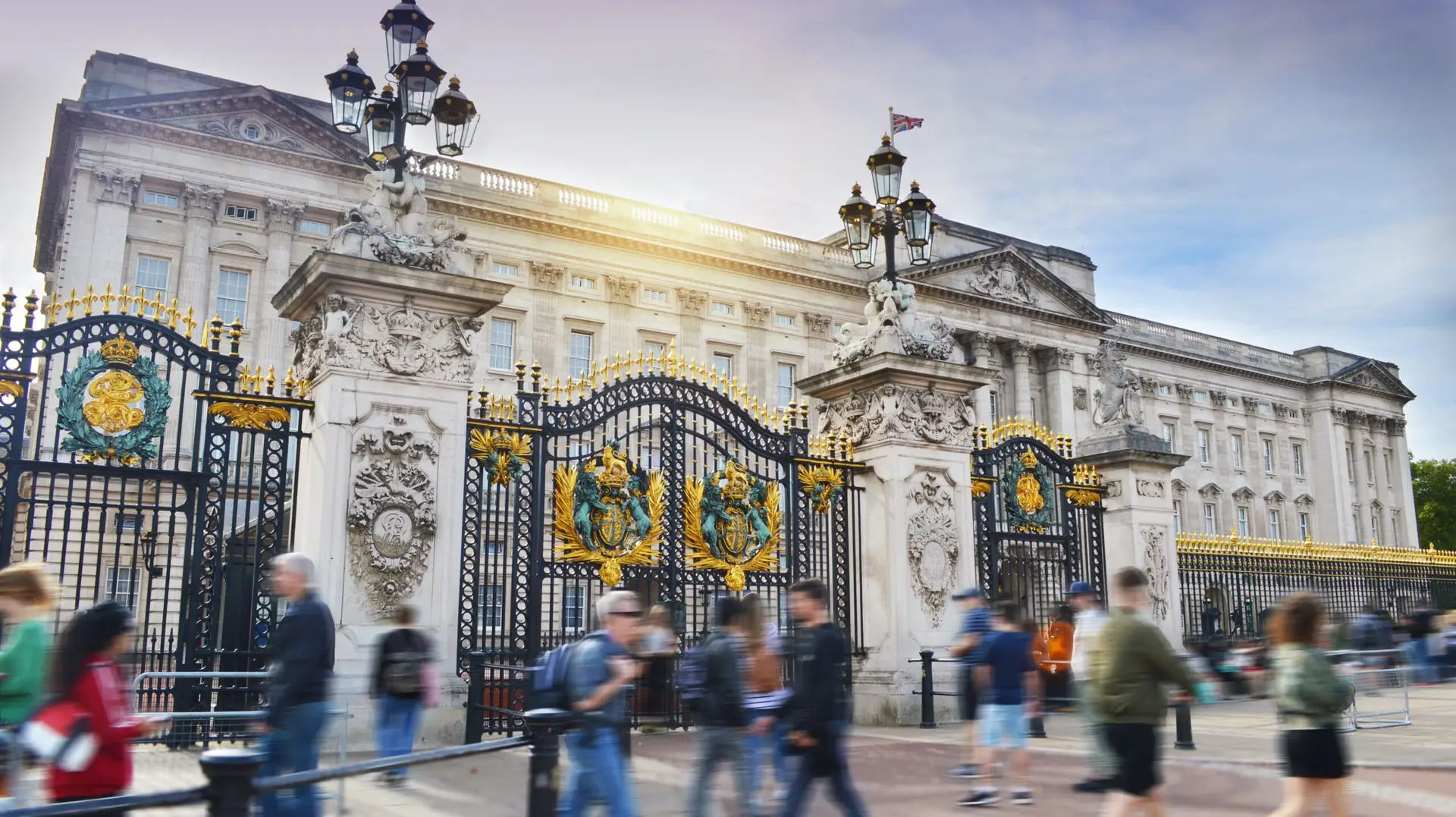
The Changing of the Guard London ceremony takes place at Buckingham Palace, London’s most famous royal residence.
Horse Guards Parade takes place inside Horse Guards, the historic building linking Whitehall and St James’s Park.
Because many visitors never venture beyond Buckingham Palace, Horse Guards Parade often feels less crowded.
Atmosphere
Buckingham Palace attracts enormous crowds, especially during the summer months.
Visitors often begin arriving over an hour before the ceremony to secure a good viewing position.
Horse Guards Parade usually offers a calmer experience with better visibility and more space to appreciate the precision of the ceremony.
Which Ceremony Is Better?
There isn’t a single correct answer.
If it’s your first visit to London, the Changing of the Guard London ceremony at Buckingham Palace is undoubtedly the classic choice. Watching the soldiers march through the streets, accompanied by military bands, creates an unforgettable introduction to British royal traditions.
However, many London guides actually recommend Horse Guards Parade for visitors looking for a less crowded experience.
Because spectators can stand much closer to the mounted guards, it’s often easier to appreciate the uniforms, horses and ceremonial details.
If your schedule allows, seeing both ceremonies provides a fascinating insight into two different aspects of Britain’s ceremonial military heritage.
Common Misconceptions
Many visitors believe the guards remain perfectly still all day.
While guards on sentry duty minimise unnecessary movement, they are fully trained soldiers performing an active military role. They regularly march, reposition themselves and respond to their commanding officers.
Another common myth is that the guards never smile.
In reality, soldiers are expected to remain professional while on duty. Their focus is on maintaining military discipline rather than interacting with the crowd.
These traditions help preserve the dignity and precision that make the Changing of the Guard London ceremony famous around the world.
Tips for Watching the Changing of the Guard London
Planning ahead makes a significant difference.
Arrive early, particularly during peak tourist season, when the areas around Buckingham Palace become extremely busy.
Comfortable walking shoes are essential, as you’ll likely spend time standing and moving between viewing points.
If you’re hoping for photographs, consider positioning yourself along The Mall or near St James’s Palace, where you can often watch the guards marching before they reach Buckingham Palace.
Many visitors focus only on the palace gates, but the procession itself is one of the most memorable parts of the Changing of the Guard London experience.
Why Join a Guided Tour?
Although it’s possible to watch the ceremony independently, many visitors miss the fascinating history unfolding around them.
A knowledgeable guide can explain the symbolism behind the uniforms, identify the different regiments, point out the best viewing locations and help you understand why these ceremonies continue to play an important role in modern Britain.
Instead of simply watching soldiers march past, you’ll discover stories of royal tradition, military history and centuries-old customs that most visitors never notice.
A guided experience also helps you navigate the crowds efficiently, making the morning far more enjoyable.
Experience London’s Royal Traditions Like a Local
The Changing of the Guard London ceremony and Horse Guards Parade are not competitors—they are complementary experiences that showcase different sides of Britain’s remarkable ceremonial heritage.
Buckingham Palace offers the grandeur and pageantry that visitors dream of seeing, while Horse Guards Parade provides a closer look at the elite cavalry that has served the British monarchy for centuries.
Whether you choose one or both, you’ll gain a deeper appreciation for London’s royal traditions and the living history that continues to unfold every day in the heart of the capital.
If you’d like to experience the Changing of the Guard London with expert local insight, join one of Urban Saunters’ small group tours. Our experienced guides know the best viewing spots, share the hidden stories behind the ceremony, and help you see far more than the average visitor ever could.
Changing of the Guard London Small Group Tours
You may also read:
Best Seller
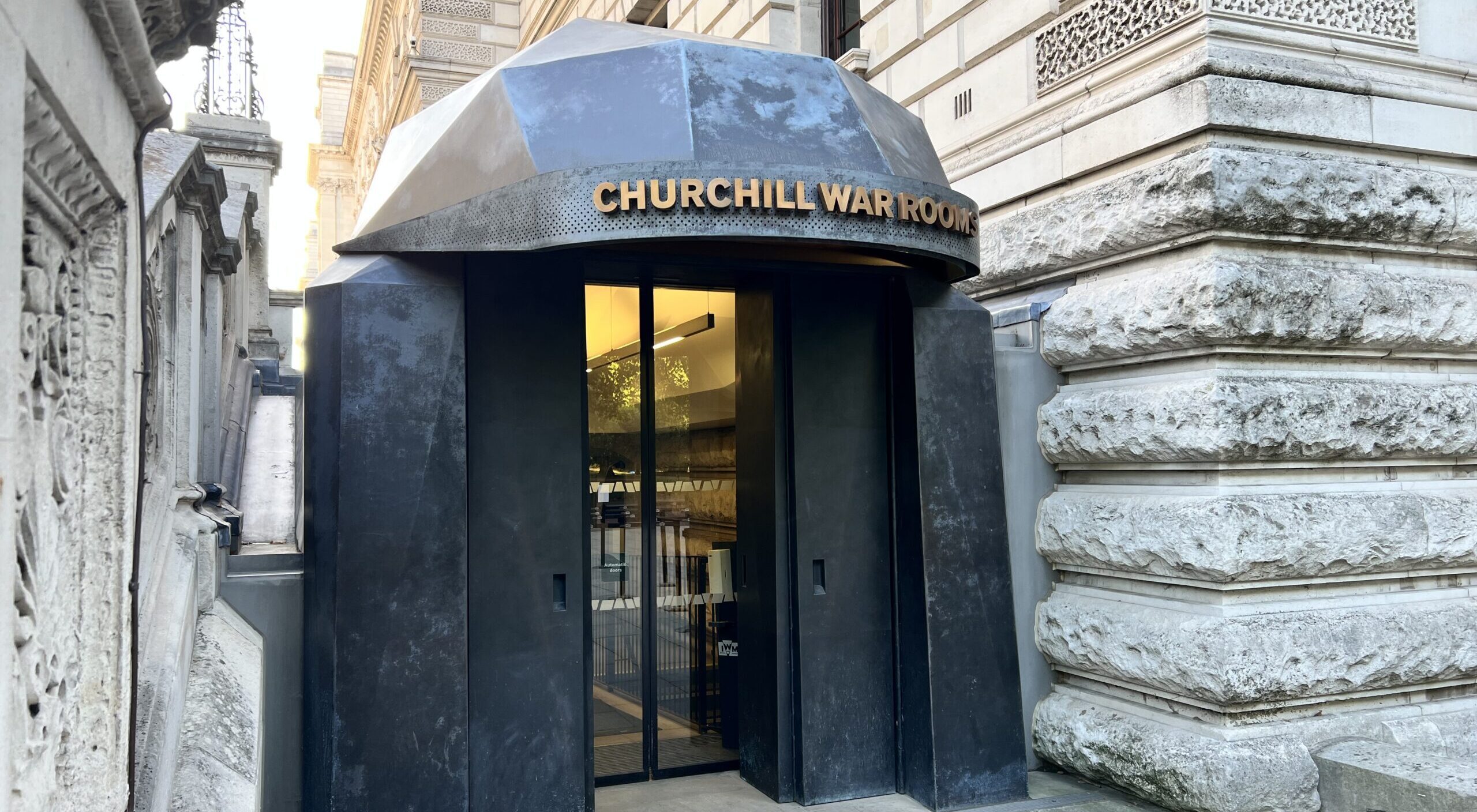
Step back into wartime London on an exclusive afternoon experience combining a guided walk through the historic City of Westminster with a private tour of Churchill’s secret underground headquarters.

Best Seller
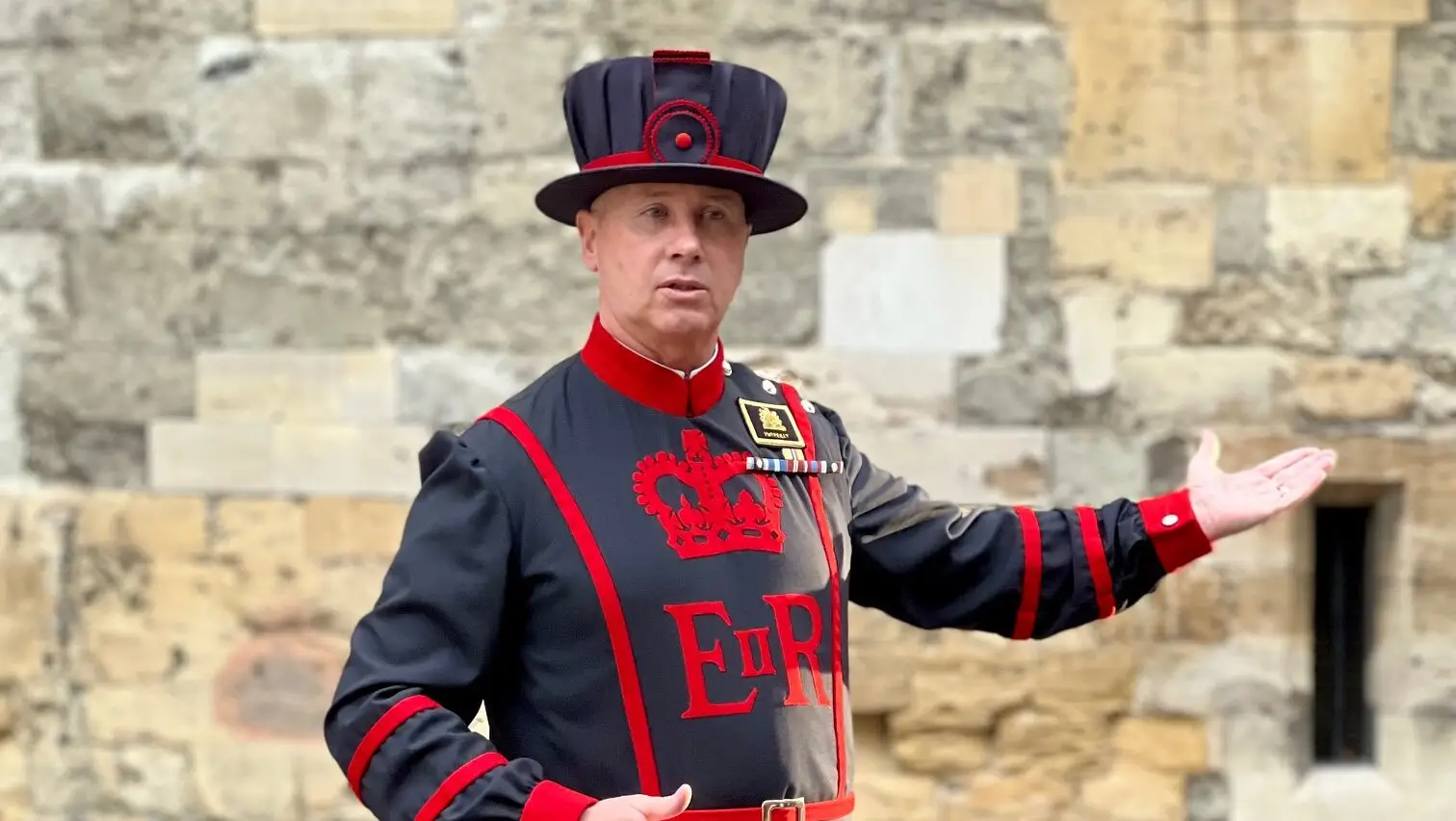
Be the first in line to explore the crown jewels and witness the opening ceremony at the Tower of London. Take part in an adventure that will see you travel from the old City regal city of Westminster.


Book With Extra Flexibility
Choose new departure dates if your plans change.
Reach out to us anytime via online chat, phone or email.
Get credit for future trips if you need more time to decide.
Change to a different tour run by the same tour operator.